How to Beat Jet Lag: Practical Tips That Actually Work
By Phoebe Yu, ettitude Founder and CEO
For many, the holiday season means travel. Often long distances.
As a China-born, Australian citizen, living in the USA, you can imagine the distances I travel to see my friends and family. Add to that my travel for business, meetings with suppliers and potential partners,
12-15 hour flights are the norm.
I needed to figure out how to rest on flights and avoid jet lag, or at least minimize its impact. I’ve collected and tested a range of tips that have helped me and many others. And now I want to share those tips with you.
Why Planning Ahead Matters
In the 1700s, Benjamin Franklin popularized the saying, “An ounce of prevention is worth a pound of cure.” Over 2000 years before that, a famous Chinese medical text states that superior doctors prevent disease, mediocre doctors treat impending disease, and inferior doctors cure disease.
We’ve known for a long time that the earlier a problem is addressed, the easier it is to handle.
How to Avoid Jet Lag When Booking Your Flight
You can minimize the effects of jet lag right at the booking stage. Or even earlier.
Choose the Right Flight to Support Your Circadian Rhythm
If it’s a long flight, and you think you can get a decent amount of sleep, try to fly overnight. This takes advantage of your body's expectation to sleep at the regular time.
If you are not a good sleeper, then you can fly during the day and try to get some work done.
Of course, it helps if you already have good sleep habits.
Build Consistent Sleep Habits Before You Travel
The National Sleep Foundation looked at a range of sleep studies and reached the consensus that (https://www.sleephealthjournal.org/article/S2352-7218(23)00166-3/fulltext) regular sleep timing leads to better sleep.
Going to bed at a regular time has been shown to improve sleep quality by
-
Regulating your circadian rhythm: A regular sleep schedule keeps your body's internal 24-hour clock, or circadian rhythm, in sync. This helps ensure you feel sleepy at the right time and wake up naturally.
-
Improving hormone regulation: Consistency helps with the steady release of sleep-inducing hormones like melatonin and wake-up hormones like cortisol.
-
Increasing sleep efficiency: Research shows that a consistent sleep schedule is associated with shorter sleep latency (the time it takes to fall asleep) and higher sleep efficiency.
-
Optimizing other bodily functions: A regular sleep schedule supports the body's restorative processes, such as cell repair and brain-cleansing, and improves memory storage.
-
Boosting physical health: Regular sleep timing is linked to better cardiovascular health and glucose metabolism, while inconsistent sleep has been shown to disrupt blood pressure regulation and increase inflammation
So do yourself a favour, and try to make your sleep timing more consistent, especially if you’re about to take a long-distance flight.
Pre-Flight Jet Lag Prevention Tips
In addition to timing your sleep, you can also time your meals. When we eat is also related to the body’s circadian rhythm.
Use Meal Timing to Reset Your Internal Clock
Research shows that avoiding late-night meals before you fly is helpful here. You might skip the in-flight dinner.
If it’s okay with your doctor, you can even try fasting for 14-16 hours before you get to your destination.
There’s also research to suggest that if you avoid late-night meals and get a big breakfast once you arrive at your destination, it’s even better.
Once you arrive, try to adapt to local meal times and eat your meals on the local schedule.
How to Sleep on a Plane (Even in Economy)
Sleeping in a noisy metal tube is difficult. It’s even harder if you can’t lie down. So I’ve learned to throw a lot of different strategies at the problem.
Block Out Light With a Good Eye Mask
The third major factor influencing our circadian rhythm is light exposure. Bright lights (especially blue light) tell the body it’s time to be awake.
That’s why I use our Eye Masks.
They’re made with our signature CleanBamboo® sateen, which is famously luxurious to the touch. That’s good news when you’re putting something on such a sensitive area as the eyes!
Reduce Noise With Headphones or Silicone Earplugs
I like to use noise-cancelling headphones. And I have found over the ear options are better at blocking out noise than the in-ear versions. Even when they’re switched off, they still block out a lot of noise.
Earplugs are another option, and here the moldable silicone putty style is the best I have tried. They often look like little blobs of wax that fit over your ear canal, rather than sticking into it. That means they’re less invasive and block more sound. It does take a little while to learn how to mold them, but once they’re secure, nothing beats the noise reduction.
Support Your Neck With the Right Travel Pillow
I have seen many approaches to supporting the head and neck during a flight. Some people don’t need anything more than the headrest on their seat. I like to bring a U-shaped neck pillow. My husband swears by a system that straps the forehead to the headrest. My cofounder loves the Trtl.
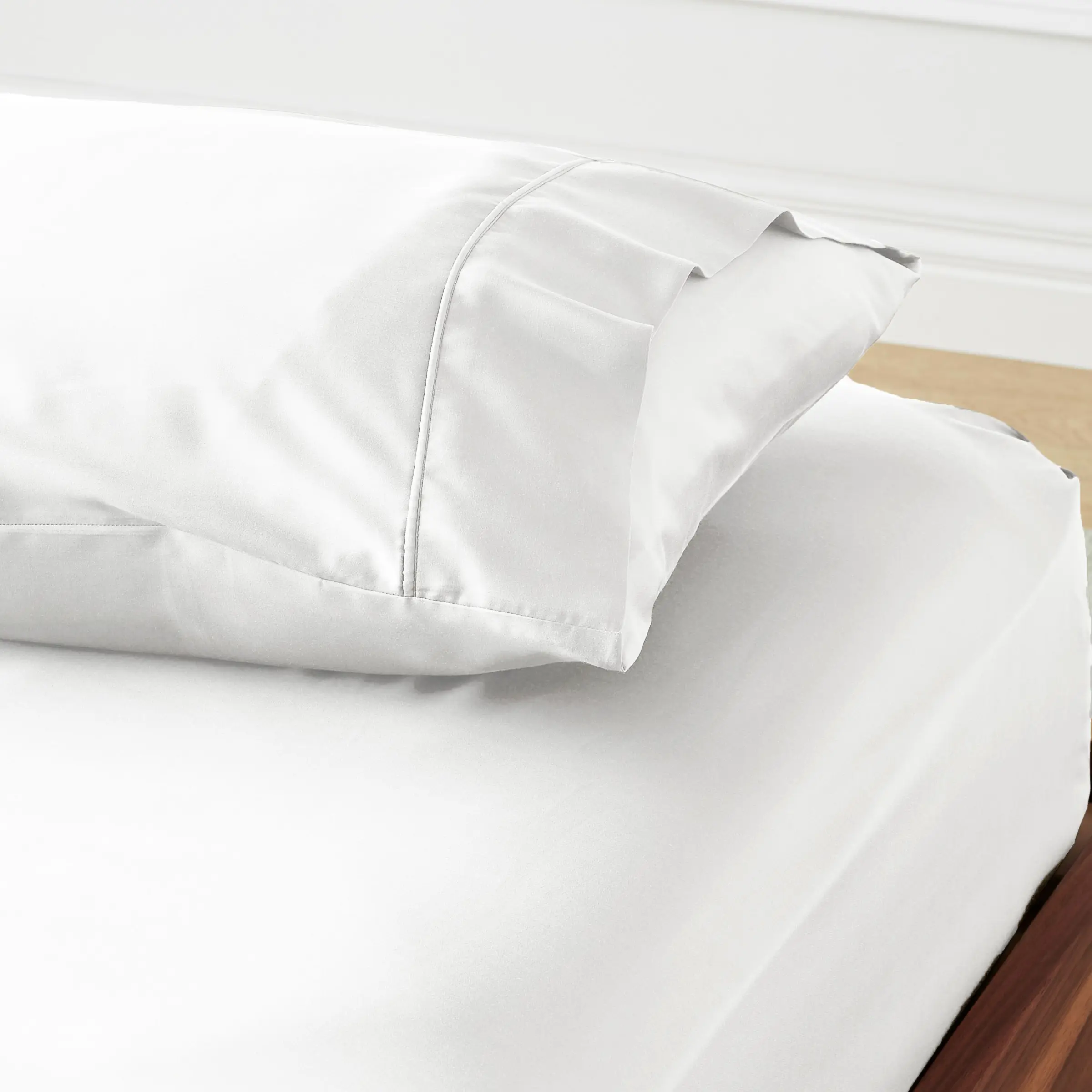
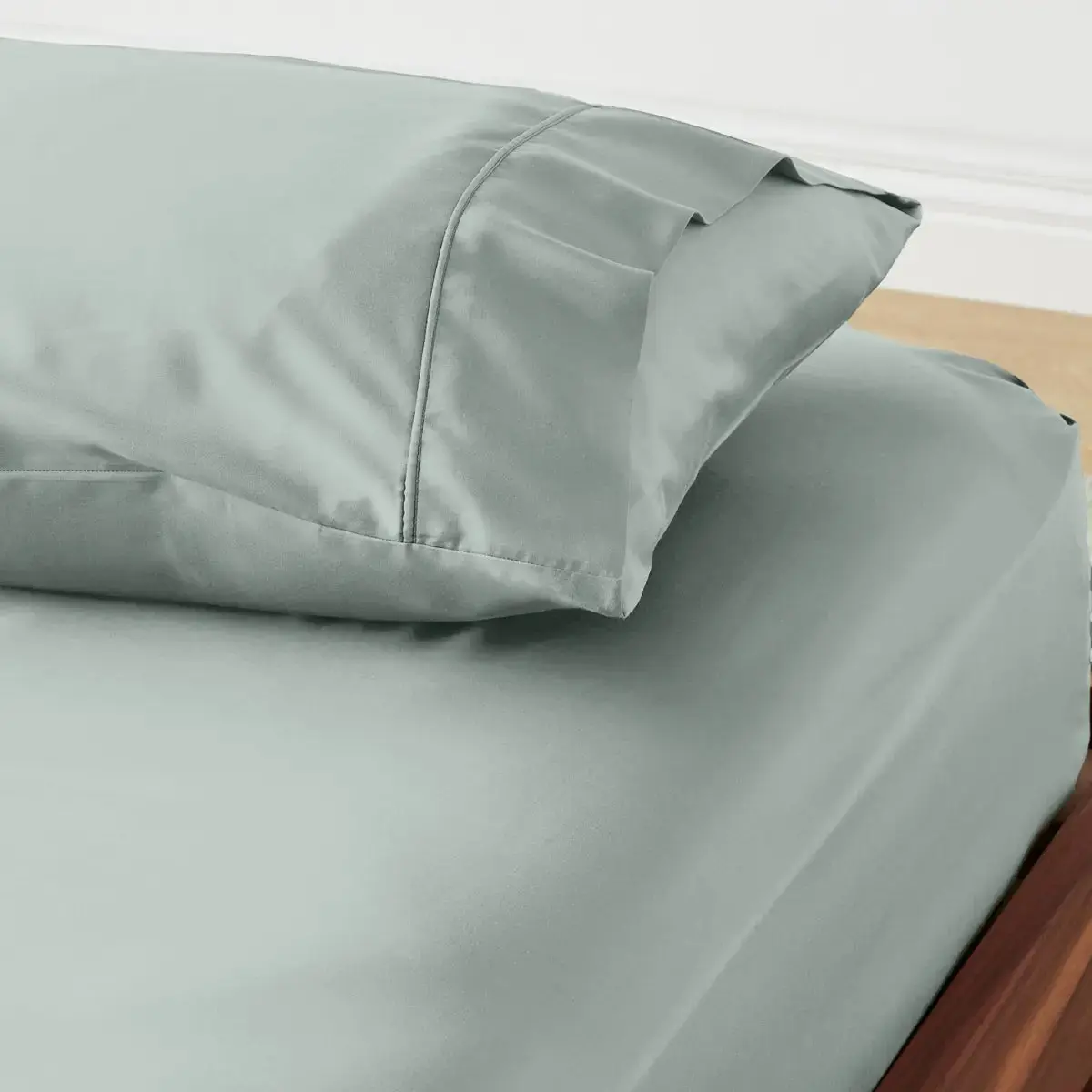
There’s a lot of variability here, so it’s hard to make general recommendations in this category. But if you are going to use a pillow, you can make it more comfortable by adding one of our pillowcases. Once the flight is over, you can also put it over the pillow at the hotel or other accommodation.
Regulate Temperature for Better In-Flight Sleep
You have no control over the temperature in the cabin. And it’s often on the chilly side. A comfortable wrap is a great, flexible way to stay warm. Our vegan cashmere wraps are perfect for this job. They insulate well, and they feel incredibly soft.
I use them all the time, even when I’m not traveling, so it’s like bringing the comforts of home with me.
How to Adjust Quickly to a New Time Zone After You Land
Sync to Local Meals and Sleep Times Immediately
As mentioned before, try to adapt to the local schedule as much as possible. Try to avoid napping during the day if you can. When nighttime comes around, it should be easier to sleep.
If you must nap, try to limit it to 20-30 minutes and use an alarm to wake you up. Otherwise, you risk feeling worse when you wake up.
Get Morning Sunlight to Reset Your Circadian Rhythm
Try to get some sunlight during the day, especially in the morning. This is for the same reason you avoid light when you want to signal the body to rest - it resets your circadian rhythm.
My Essential Travel Sleep Kit (Founder Approved)
I realize it’s not always possible to bring a complete sheet set. (When I can, I just put it over the existing sheets.)
But as I mentioned earlier, I always travel with at least a set of our pillowcases. They’re compact enough that I can always fit them in somewhere. But more importantly, if I have to choose just one place to have the most skin-friendly fabric, I have to pick the head. Your facial skin is more delicate than the rest of your body, and a smoother pillowcase also makes a noticeable difference for hair, helping minimize frizz and knots caused by friction overnight.
I also always bring an eye mask in case the room is not dark enough.
And my third, versatile tool is our vegan cashmere wrap. Especially when I’m going somewhere cold.
Frequently Asked Questions (FAQ)
Here are answers to some of the most common questions about how to beat jet lag and stay fresh while traveling.
What exactly causes jet lag?
Jet lag is a temporary sleep disorder that occurs when you travel across multiple time zones quickly. The primary cause is the disruption of your body's internal 24-hour clock, or circadian rhythm. Your internal clock, governed by signals like light and meal times, remains set to the time in your departure city, leading to confusion when you arrive at your new destination and its daylight and sleep schedule.
How long does it take to get over jet lag?
While it varies from person to person, a common rule of thumb is that your body needs about one day per time zone crossed to fully adjust. For example, crossing six time zones may result in significant jet lag symptoms for about 6 days. However, implementing effective jet lag prevention tips (like those shared in this article) can significantly speed up the adjustment process.
What is the single best tip for jet lag prevention?
The most effective strategy is to start adjusting your sleep and meal schedule before you even leave, combined with immediate synchronization to the new time zone upon arrival. Specifically:
-
Before you fly: Get consistent sleep. For long-haul travel, gradually shift your bedtime closer to your destination's schedule.
-
Upon arrival: Immediately expose yourself to morning sunlight and eat your meals according to local time.
Does fasting before or during a flight really help with jet lag?
Some research suggests that meal timing can act as a secondary internal clock. A temporary fast (for instance, 14–16 hours) timed so that your first meal breaks the fast at the destination's breakfast time may help quickly reset the body's metabolic clock, assisting your circadian rhythm adjustment. Always consult your doctor before beginning a fasting regimen.
What are the best products to help me sleep on a plane?
To create an optimal sleep environment on a noisy, bright plane, focus on blocking out sensory distractions:
-
Light: A high-quality, comfortable eye mask (like our signature sateen mask) is essential.
-
Noise: Use noise-cancelling headphones or moldable silicone earplugs.
-
Temperature: A soft, insulating wrap or blanket (like our vegan cashmere wrap) helps you regulate your body temperature, which is crucial for falling and staying asleep.
Should I take a nap when I arrive if I'm extremely tired?
It's best to avoid long naps during the local day, as this can severely interfere with your ability to sleep deeply when the local nighttime comes. If you absolutely need to rest, keep the nap very short (20–30 minutes, often called a "power nap") and set an alarm to wake you.
Any tips to avoid jet lag when traveling with kids?
My co-founder Kat Dey often travels across the world with her two kids, and over many long-haul trips. She’s learned that most adult jetlag strategies work for children too—with a few kid-specific tweaks.
Aim for overnight flights whenever possible.
It’s much easier for children to reset when the longest stretch of travel overlaps with their normal sleep window. Feed them dinner before boarding so you can skip the in-flight meal service and maximize uninterrupted sleep time.
Set the kids up for real rest on the plane.
Minimize screen time, dim the environment, and recreate a familiar bedtime routine as much as possible. Eye masks, wax earplugs, soft blankets, and small pillows from home give kids both comfort and sensory cues that it’s time to sleep. Many parents, including Kat, find their kids naturally end up snoozing half on their seat and half on a parent’s lap—whatever works, lean into it.
Protect little ears during takeoff and landing.
Teach kids to sip water or swallow during pressure changes to help prevent ear pain and make the whole flight smoother for everyone.
Follow the local schedule as soon as you land.
Just like adults, kids adjust fastest when you immediately shift meals and activities to the destination time zone. If they’re hungry, feed them—even if you’re fasting to manage your own circadian rhythm. Kids’ bodies handle travel differently, and keeping them comfortable speeds up adjustment for the whole family.
Bring comfort, keep routines light, and stay flexible.
A bit of preparation goes a long way: sleep-friendly flight times, cozy comforts from home, simple transitions, and child-led hunger cues help kids settle more quickly—so the whole family can enjoy the trip with minimal jet lag.