

Conclusiones clave:
- Optimice la temperatura para un sueño profundo: un dormitorio fresco (entre 60 °F y 67 °F) es esencial, ya que el cuerpo requiere una caída de 1 a 2 °F en la temperatura central para lograr y mantener etapas de sueño reparador.
- La tela es tu principal herramienta de refrigeración: Evita los sintéticos pesados que retienen el calor (como el poliéster). En su lugar, elige materiales transpirables que absorban la humedad, como CleanBamboo® de ettitude, para disipar eficazmente el calor corporal y controlar la sudoración nocturna.
- Reconocer y abordar la sudoración persistente: si los sudores nocturnos excesivos continúan a pesar de los cambios ambientales (ventiladores, habitación fresca, ropa de cama nueva), consulte a un médico para descartar afecciones médicas o hormonales subyacentes.
Todos hemos pasado por eso: quedarnos dormidos y despertar horas después empapados en sudor, con las sábanas tiradas al suelo, buscando un lugar fresco en el colchón. El calor excesivo por la noche puede sabotear la calidad de tu descanso, alterar los ritmos naturales de tu cuerpo y dejarte sintiéndote agotado al día siguiente. Y si sucede a menudo, incluso podría ser una señal de que tu ropa de cama o tu entorno de sueño no te están ayudando.
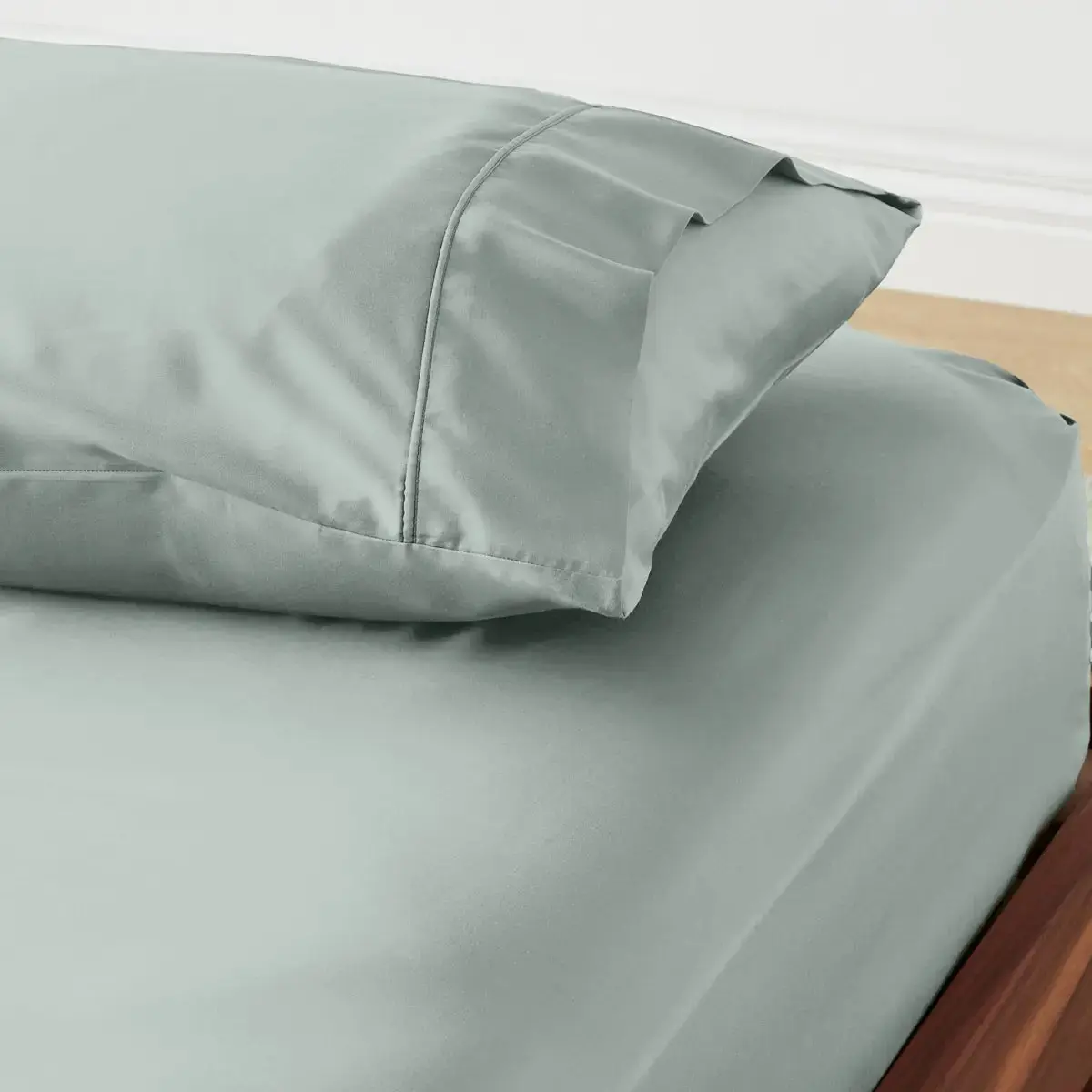
En ettitude, creemos que la comodidad y la responsabilidad deben ir de la mano. Nuestro tejido patentado CleanBamboo® está diseñado para ofrecer una transpirabilidad óptima, absorber la humedad y una suavidad hipoalergénica, ayudándote a mantenerte fresco mientras duermes de forma sostenible.
En este artículo, analizaremos la ciencia detrás de los sudores nocturnos, las causas comunes del sobrecalentamiento y soluciones innovadoras que contribuyen a tu bienestar y al planeta. Con los materiales adecuados y decisiones conscientes, puedes crear un ambiente de sueño más fresco y saludable que promueva un descanso más profundo y un estilo de vida más equilibrado.
Comprender el sobrecalentamiento nocturno y su impacto en el sueño
Despertarse frecuentemente durante la noche por calor, o peor aún, por estar empapado en sudor, es más que una simple molestia; perjudica gravemente la salud general. El sobrecalentamiento nocturno interfiere directamente con los ciclos naturales de sueño esenciales del cuerpo, lo que provoca efectos adversos mensurables en la recuperación física y mental.
El papel de la termorregulación en el sueño
El sueño depende de un delicado proceso biológico llamado termorregulación. Para que un adulto sano se duerma y alcance fases de descanso profundo y reparador (como la fase REM y el sueño de ondas lentas), su temperatura corporal central debe descender aproximadamente entre 1 y 2 grados Fahrenheit. Este descenso es una señal clave para el cerebro de que es hora de descansar.
Cuando te sobrecalientas, esta caída de la temperatura corporal se interrumpe o se revierte. El cuerpo se ve obligado a gastar energía para enfriarse, a menudo mediante la sudoración y el aumento de la frecuencia cardíaca, lo que te saca del sueño profundo y te lleva a estados más ligeros y más fáciles de perturbar.
El impacto directo en la calidad del sueño
- Sueño profundo reducido: El sobrecalentamiento disminuye el tiempo de sueño de ondas lentas (SWS) y sueño REM, vitales para la recuperación física, la reparación de tejidos, la consolidación de la memoria y el procesamiento emocional. Un sueño menos profundo implica despertarse sintiéndose físicamente desocupado.
- Aumento de despertares: Las altas temperaturas provocan una mayor fragmentación del sueño, que consiste en despertares frecuentes y breves que interrumpen el sueño sin que el paciente los recuerde. Esto impide completar un ciclo de sueño completo de 90 minutos, lo que reduce considerablemente la calidad del sueño.
- Niveles elevados de hormonas del estrés: Un sueño de mala calidad, provocado por el sobrecalentamiento, puede generar niveles elevados de la hormona del estrés, lo que inhibe aún más la relajación y dificulta volver a conciliar el sueño una vez despertado.
En resumen, cuando la cama está demasiado caliente, el cuerpo no puede realizar eficazmente las funciones esenciales necesarias para un descanso profundo y reparador. Por lo tanto, abordar las causas del sobrecalentamiento es fundamental para mejorar la salud y el bienestar a largo plazo.

Cómo regula el cuerpo la temperatura durante el sueño
Tu entorno de sueño y tu fisiología interna son cruciales para determinar qué tan caliente o fresco te sientes por la noche. Comprender la regulación natural de la temperatura corporal te permitirá tomar decisiones más inteligentes para un descanso más profundo y reparador.
El ritmo circadiano: tu termostato interno
El ritmo circadiano, el reloj de 24 horas de tu cuerpo, indica que la temperatura corporal baja por la noche. Esta disminución ayuda a provocar somnolencia, promueve un descanso de mayor calidad y es esencial para la reparación nocturna del cuerpo.
Aislamiento y liberación de calor
Por la noche, los vasos sanguíneos se ajustan para regular el flujo de calor. La sangre se acerca a la superficie de la piel, liberando calor y favoreciendo temperaturas corporales más frescas. Esta liberación natural de calor es la razón por la que los pijamas y la ropa de cama transpirables son esenciales para la comodidad.
Influencias hormonales
Hormonas como la melatonina preparan la mente para el sueño y ayudan al cuerpo a bajar su temperatura corporal. Las fluctuaciones hormonales, como las que se producen durante la menopausia o el estrés, pueden interrumpir este proceso y causar sofocos nocturnos.
Factores externos y ropa de dormir
La ropa de cama, las capas, el material de la cama y el ambiente de la habitación influyen directamente en la capacidad del cuerpo para controlar la temperatura. Las telas pesadas y poco transpirables pueden retener el exceso de calor e interferir con el sistema de refrigeración del cuerpo. Elegir telas ligeras que absorban la humedad puede ayudar al cuerpo a mantenerse fresco.
Causas comunes del calor excesivo por la noche
El sobrecalentamiento nocturno es un problema generalizado. Comprender las causas fundamentales le permitirá tomar decisiones más saludables y intencionadas para su comodidad y bienestar nocturnos.
Fluctuaciones hormonales
Los cambios hormonales, como los que se experimentan durante la menopausia, el embarazo o ciertas fases del ciclo menstrual, a menudo alteran la regulación de la temperatura corporal, lo que produce sudores nocturnos.
Ambiente de la habitación
Las altas temperaturas ambientales, las mantas pesadas y la mala ventilación pueden atrapar el calor, haciendo que el entorno donde duerme se sienta sofocante y opresivamente cálido.
Materiales para colchones y ropa de cama
Algunos colchones y ropa de cama atrapan el calor y la humedad debido a sus materiales densos o sintéticos, lo que dificulta que el cuerpo se enfríe durante la noche.
Condiciones médicas y medicamentos
Ciertas condiciones de salud, infecciones y medicamentos pueden aumentar la temperatura corporal y provocar sobrecalentamiento nocturno.
Factores del estilo de vida
Consumir alcohol, alimentos picantes o cafeína cerca de la hora de acostarse puede aumentar la temperatura corporal central, mientras que hacer ejercicio tarde en la noche puede tener un efecto similar.
Cómo la temperatura y la humedad de la habitación afectan la calidad del sueño
Crear un ambiente de sueño óptimo va más allá de elegir una cama cómoda; se trata de controlar las condiciones de tu dormitorio. La temperatura y la humedad ambiente son factores cruciales que inciden directamente en tu comodidad, tus ciclos de sueño y tu bienestar general.
La temperatura ambiente ideal para dormir
La mayoría de los expertos en sueño coinciden en que una habitación fresca, normalmente entre 15 °C y 19 °C (60 °F y 67 °F), ayuda a regular la temperatura corporal. Este ligero descenso estimula los procesos naturales del cuerpo para lograr un sueño reparador.
La humedad y su papel en el sueño
La calidad del sueño puede deteriorarse si el aire es demasiado seco o húmedo. El aire excesivamente seco puede irritar las vías respiratorias y la piel, mientras que el exceso de humedad puede fomentar la aparición de alérgenos e interrumpir el confort térmico.
Manejo de la temperatura y la humedad
Mantener la habitación fresca y con una humedad equilibrada promueve un descanso más profundo y reparador. Prácticas sencillas, como usar ventiladores, deshumidificadores o abrir las ventanas, ayudan a adaptar el entorno de sueño a las necesidades de tu cuerpo, favoreciendo la serenidad y el bienestar cada noche.

El papel de los materiales de la ropa de cama en los sudores nocturnos
Los sudores nocturnos suelen tener menos que ver con el cuerpo y más con lo que lo envuelve. Los materiales con los que se duerme, tanto sobre como debajo, juegan un papel fundamental en la eficacia con la que el cuerpo regula la temperatura, y una elección incorrecta puede atrapar el calor, bloquear el flujo de aire y provocar noches de insomnio y sudor.
Cómo los tejidos tradicionales atrapan el calor
Los materiales comunes de ropa de cama, como el poliéster y el algodón convencional, a menudo carecen de la transpirabilidad necesaria para favorecer el proceso natural de enfriamiento del cuerpo. Las fibras sintéticas del poliéster retienen el calor y la humedad corporales contra la piel, creando un microclima húmedo que intensifica la sudoración. Incluso el algodón tradicional, aunque más transpirable, puede absorber y retener el sudor, dejándote húmedo e incómodo durante toda la noche.
Por qué son importantes la transpirabilidad y la absorción de la humedad
El tejido, el tipo de fibra y la capacidad de absorción de la humedad influyen en la temperatura al dormir. Los materiales transpirables favorecen la circulación del aire, permitiendo que el calor corporal se disipe de forma natural, mientras que las telas que absorben la humedad alejan el sudor de la piel y lo ayudan a evaporarse rápidamente. Esto evita la sensación de humedad que suele despertar a quienes duermen con calor durante la noche.
CleanBamboo®: Diseñado para una comodidad refrescante
En ettitude, diseñamos nuestro tejido patentado CleanBamboo® para abordar precisamente estos desafíos. Fabricado con lyocell de bambú sostenible, ofrece una transpirabilidad superior, hasta un 17 % superior a la del algodón, y absorbe la humedad un 24 % más rápido. Sus fibras suaves e hipoalergénicas regulan la temperatura dispersando el calor y favoreciendo la ventilación, lo que ayuda a mantener un ambiente de descanso óptimo.
Cómo elegir la ropa de cama adecuada para controlar la temperatura
Si sufre de sobrecalentamiento, considere reemplazar la ropa de cama sintética pesada por alternativas ligeras de origen vegetal como los juegos de sábanas CleanBamboo® , los edredones refrescantes o las fundas nórdicas de bambú y lyocell . Estos productos no solo son increíblemente suaves, sino que también contribuyen activamente a la termorregulación natural del cuerpo, manteniéndolo fresco, seco y profundamente descansado noche tras noche.
Soluciones de enfriamiento comprobadas para un mejor descanso nocturno
Si buscas nuevas maneras de despertarte renovado en lugar de empapado, las innovaciones de vanguardia y los hábitos nocturnos conscientes pueden marcar la diferencia. Explora estrategias tecnológicas y naturales prácticas que te permiten recuperar un sueño tranquilo y reparador.
Actualice a ropa de cama transpirable y que absorbe la humedad
Prioriza sábanas y fundas de almohada diseñadas para maximizar la ventilación y absorber eficazmente el sudor. La ropa de cama de fibra natural y alto rendimiento favorece la regulación de la temperatura, reduce la humedad y ayuda a que tu piel respire toda la noche.
Optimice su entorno de sueño
Mantén tu dormitorio fresco, oscuro y bien ventilado. Usa cortinas opacas, ajusta el termostato entre 15 y 19 °C y complementa con un ventilador silencioso para una mayor circulación del aire. Ordena y planta plantas de interior para mejorar la calidad del aire y la serenidad.
Adopte hábitos de sueño inteligentes
Elige ropa de dormir confeccionada con materiales innovadores y refrescantes. Opta por prendas holgadas que favorezcan la circulación y permitan que los tejidos complejos absorban la humedad de la piel. La ropa ligera garantiza comodidad sin sobrecalentarse.
Rituales conscientes antes de dormir
Limita el uso de dispositivos electrónicos antes de acostarte, ya que las pantallas pueden aumentar las hormonas del estrés y la temperatura corporal. Hidrátate con agua fría y considera una ducha breve o una sesión de meditación relajante. Estos ajustes conscientes ayudan a indicarle a tu cerebro que es hora de relajarse y descansar.
Aproveche las innovaciones en tecnología del sueño
Explora colchones termorreguladores, almohadas con diseños avanzados y dispositivos de refrigeración inteligentes. Muchos productos modernos utilizan materiales de cambio de fase o funciones de climatización ajustables para gestionar el aislamiento y disipar activamente el calor durante la noche.
Cuándo consultar a un médico por sudores nocturnos persistentes
La mayoría de las personas se despiertan ocasionalmente con calor, pero conviene prestar más atención cuando la sudoración nocturna excesiva se vuelve un problema recurrente. La sudoración nocturna persistente e inexplicable puede ser una señal de que algo más está ocurriendo. Aquí te explicamos cómo identificar cuándo consultar a un profesional de la salud.
Cuando los sudores nocturnos indican un problema mayor
- Si sudas a través de tu ropa de cama durante varias noches seguidas, incluso en una habitación fresca y cómoda.
- Los sudores nocturnos se acompañan de síntomas como fiebre, fatiga, tos o pérdida de peso involuntaria.
- Si su sueño se interrumpe regularmente, esto repercute en su energía y bienestar diarios.
- Cuando notas síntomas nuevos o que empeoran y no puedes explicarlos.
Posibles causas subyacentes
- Cambios hormonales (como la menopausia o problemas de tiroides)
- Infecciones (incluida la tuberculosis u otras infecciones crónicas)
- Efectos secundarios de los medicamentos
- Enfermedades crónicas como la diabetes o ciertos tipos de cáncer.
Si experimenta alguna de estas señales de alerta, no las ignore; programe una cita con su médico para una evaluación completa. La intervención temprana ayuda a proteger su salud y tranquilidad.

Reflexiones finales
Despertar sudando no tiene por qué ser parte de tu rutina nocturna. Puedes crear un espacio que propicie un descanso profundo y reparador al comprender cómo tu cuerpo regula la temperatura y cómo factores como los materiales de la ropa de cama, la ropa de dormir y el ambiente de la habitación influyen en ese proceso. Decisiones inteligentes, como telas transpirables que absorben la humedad, un dormitorio más fresco y rituales conscientes antes de dormir, pueden reducir significativamente el calor nocturno y transformar la calidad de tu sueño. Con soluciones innovadoras como la ropa de cama CleanBamboo® de ettitude, puedes descansar cómodamente y, al mismo tiempo, contribuir positivamente al planeta, noche tras noche.
Lea también:
- ¿Qué hace que las sábanas de bambú sean diferentes del algodón y el lino?
- Ropa de cama no tóxica: elige sábanas sin químicos para dormir mejor
- ¿Son refrescantes las sábanas de bambú? Un análisis profundo de la transpirabilidad y la comodidad.
Preguntas frecuentes sobre por qué tengo tanto calor al dormir: causas y soluciones refrescantes
¿Es normal sentir calor por la noche?
Sí, es común que la temperatura corporal fluctúe durante el sueño. Factores como las hormonas, el metabolismo o el ambiente de tu dormitorio pueden influir. Elegir ropa de cama transpirable y que absorba la humedad puede ayudarte a mantenerte fresco.
¿Puede la temperatura ambiente afectar el calor que siento durante la noche?
Sí. Una habitación cálida o sofocante puede impedir que el cuerpo se enfríe de forma natural. Los entornos óptimos para dormir suelen mantener temperaturas entre 15 °C y 19 °C para la mayoría de las personas.
¿Ciertos tejidos o ropa de cama me provocan más calor al dormir?
La ropa de cama tradicional, especialmente la sintética y el algodón grueso, puede retener el calor y la humedad. Materiales innovadores como CleanBamboo® de ettitude están diseñados para ofrecer una transpirabilidad y absorción de la humedad comprobadas, lo que te ayuda a dormir más fresco y cómodo.
¿Comer antes de acostarme me produce calor?
Sí, puede. La digestión eleva la temperatura corporal interna, especialmente las comidas ricas en grasas, especias o proteínas. Intenta comer al menos dos horas antes de acostarte para mantenerte fresco mientras descansas.
¿Pueden el entorno para dormir y la elección del colchón afectar el calor nocturno?
Sí. Los colchones y la ropa de cama que no son transpirables o que retienen el calor pueden aumentar las temperaturas nocturnas. Para optimizar su comodidad, opte por colchones y ropa de cama fabricados con materiales refrescantes, como CleanBamboo®, ecológico e hipoalergénico, de ettitude.
¿El alcohol o la cafeína me hacen sentir más calor por la noche?
Tanto el alcohol como la cafeína pueden alterar la regulación de la temperatura corporal y la calidad del sueño. Limitar el consumo de estas sustancias, especialmente por la noche, puede ayudarte a disfrutar de una noche más fresca y reparadora.