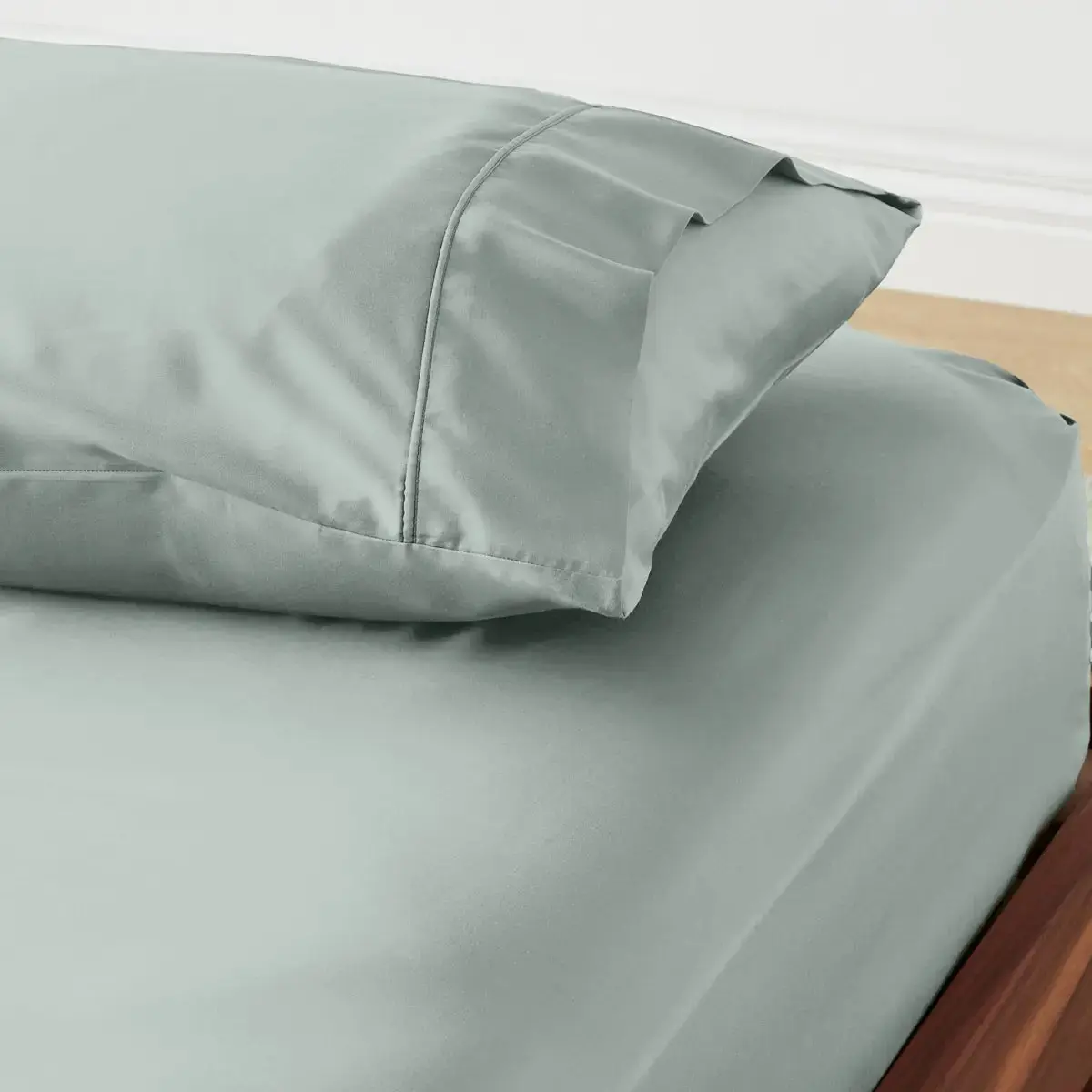


The Perfect Pillow
A good night’s sleep starts with the proper foundation, and your pillow plays a crucial role in how well you rest. Yet, many people overlook the importance of finding the perfect pillow, often settling for whatever is on hand or replacing it when it’s visibly worn out. But how do you know what pillow is right for you? In this comprehensive guide, we’ll explore the key signs, considerations, and expert tips for choosing a pillow that matches your unique needs so you can enjoy restful, rejuvenating sleep every night.
Why the Right Pillow Matters
Your pillow isn’t just a soft accessory-it’s an essential component of sleep health. The primary job of a pillow is to maintain a straight, natural alignment of your head, neck, and spine, supporting the natural curvature of your spine while you sleep. When your pillow matches your sleeping position and body, it can help prevent neck pain, headaches, and restless nights, ensuring you wake up refreshed and free of discomfort.
Signs Your Pillow Isn’t Right for You
Is your pillow serving you well? Here are some telltale signs it might be time for a change:
-
Waking up with neck pain or stiffness: Persistent discomfort in your neck or shoulders can signal inadequate pillow support.
-
Frequent headaches upon waking: An unsupportive pillow can contribute to tension headaches or migraines.
-
Restless sleep or frequent waking: If you toss, turn, or wake up often, your pillow may not provide the comfort or alignment you need.
-
Noticing better sleep elsewhere: Sleeping better at a hotel or with a different pillow indicates your current one isn’t ideal.
-
Visible sagging or lumps: Pillows that have lost shape or support are no longer effective and should be replaced.
Pillow Support and Alignment
The hallmark of a good pillow is its ability to keep your head, neck, and spine in a straight, neutral line throughout the night. This pillow alignment reduces pressure points and promotes healthy posture, minimizing the risk of aches and pains. To check your alignment, lie in your usual sleeping position and ensure your ears align with your shoulders and your chin is level with your sternum.
The Role of Sleeping Position
Your preferred sleeping position is one of the most critical factors in determining the right pillow for you. Here’s what to consider:
-
Side sleepers need a pillow with enough height (pillow loft) and firmness (pillow firmness) to fill the gap between the ear and shoulder, keeping the spine straight and preventing neck strain. Look for pillows about 4 to 6 inches thick and moderately firm.
-
Back sleepers benefit from a pillow with medium firmness and a moderate loft that supports the neck's natural curve without pushing the head forward. Cervical or contoured pillows are often a good choice.
-
Stomach sleepers are best suited to a soft, thin pillow to avoid the neck from bending unnaturally. Sometimes, no pillow or a skinny one is best.
Exploring Different Pillow Shapes
When choosing pillow shapes, consider your sleep habits and comfort needs. Traditional rectangular pillows are standard, but ergonomic designs like cervical, wedge, or contour pillows can offer targeted support for the neck and shoulders, especially if you experience pain or stiffness. Body pillows and specialty shapes can also provide extra comfort for side sleepers or those with specific support needs.
Choosing the Best Pillow Shape
Selecting the best pillow shape depends on your preferred sleeping position and specific comfort or health requirements. For example, a contoured or cervical pillow can support correct alignment for those who sleep on their back or side. In contrast, a flatter, softer pillow is often best for stomach sleepers. Adjustable and moldable pillows, such as those filled with shredded foam or down alternative, allow you to customize the shape to your liking, ensuring optimal support and comfort.
|
Pillow Shape |
Description |
Ideal For |
Notable Benefits |
|
Standard Rectangle |
Traditional shape, fits most pillowcases |
Most sleepers, all bed sizes |
Versatile, widely available, easy to style |
|
Contour/ Cervical |
Curved design supports neck and head |
Back and side sleepers, neck pain |
Promotes spinal alignment, relieves tension |
|
Wedge |
Triangular, elevates upper or lower body |
Acid reflux, snoring, leg support |
Improves circulation, reduces discomfort |
|
Body Pillow |
Long, cylindrical, supports full body |
Side sleepers, pregnancy, joint pain |
Hugs body, relieves pressure, versatile use |
Materials and Fill
The material inside your pillow affects its feel, support, and durability. Common options include:
-
Memory foam: Adjusts to the shape of your head and neck, offering excellent support and pressure relief. Adjustable memory foam pillows allow you to customize the loft.
-
Latex: Naturally resilient and supportive, latex pillows are durable and often hypoallergenic.
-
Down and feather: Soft and luxurious, these pillows are best for those who prefer a plush feel, but may lack the support needed for some sleepers.
-
Down alternative: Mimics the feel of down but is more affordable and suitable for allergy sufferers.
-
Buckwheat or specialty fills: Provide firm, adjustable support and are ideal for those seeking unique comfort or eco-friendly pillows.
Assessing Pillow Firmness and Loft
Pillow firmness and pillow loft (height) are critical for proper support. Too much loft can push your head up, straining your neck, while too little can let your head sink, disrupting alignment. The right combination depends on your body size, sleeping position, and personal comfort preferences.
What Pillow Is Right for You
If you’re wondering what pillow is right for you, start by evaluating your sleep position, body size, and any specific health concerns like neck pain or allergies. Test different pillows by lying in your usual position and checking if your head, neck, and spine feel naturally aligned and supported. Pay attention to your comfort, and don’t hesitate to try various materials and shapes until you find the one that leaves you waking up refreshed and pain-free.
When to Replace Your Pillow
Even the best pillow doesn’t last forever. Most high-quality pillows should be replaced every three to four years. At the same time, lower-quality options may lose support within months. Signs it’s time for a new pillow include visible sagging, lumps, or if you’re experiencing new aches and pains-clear indicators for pillow replacement.
Special Considerations
-
Allergies: Choose hypoallergenic materials if you’re sensitive to dust mites or other allergens.
-
Temperature regulation: Hot sleepers may benefit from cooling materials like bamboo bedding, latex, or gel-infused memory foam.
-
Sustainability: Eco-friendly pillows made from organic or renewable materials are available for those seeking a greener option.
Personal Preference Matters
While alignment and support are essential, your personal comfort preferences should guide your final choice. Some people love the plushness of down, while others prefer the structure of memory foam. Don’t be afraid to try different options until you find the one that feels right for you. Following these practical tips and considering your unique needs, you’ll find the perfect pillow for a healthier, more restful night’s sleep.
Ready to Upgrade Your Sleep?
Experience how the right bedding accessories can transform your sleep with ettitude’s range of sustainable, luxurious essentials. Explore their eco-friendly pillowcases and pillow protectors, along with bamboo bedding, for restorative sleep. Made from naturally hypoallergenic and chemical-free materials, ettitude’s bedding helps promote healthier sleep and is gentle on sensitive skin. Choosing sustainable options like bamboo supports your well-being and benefits the environment by reducing waste and pollution. Visit www.ettitude.com to find the best options for your unique needs.