

Points clés à retenir :
- Privilégier la régularité du sommeil : L'habitude la plus efficace est de maintenir la même heure de coucher et de lever tous les jours, même le week-end, afin de réguler votre rythme circadien et de garantir que votre corps passe avec succès par toutes les phases de sommeil paradoxal.
- Éliminer les stimulants et la lumière bleue : Évitez la caféine, l'alcool et les écrans plusieurs heures avant le coucher. Ce sont les principales causes de sommeil fragmenté et de suppression de la mélatonine, ce qui réduit directement la durée totale du sommeil paradoxal.
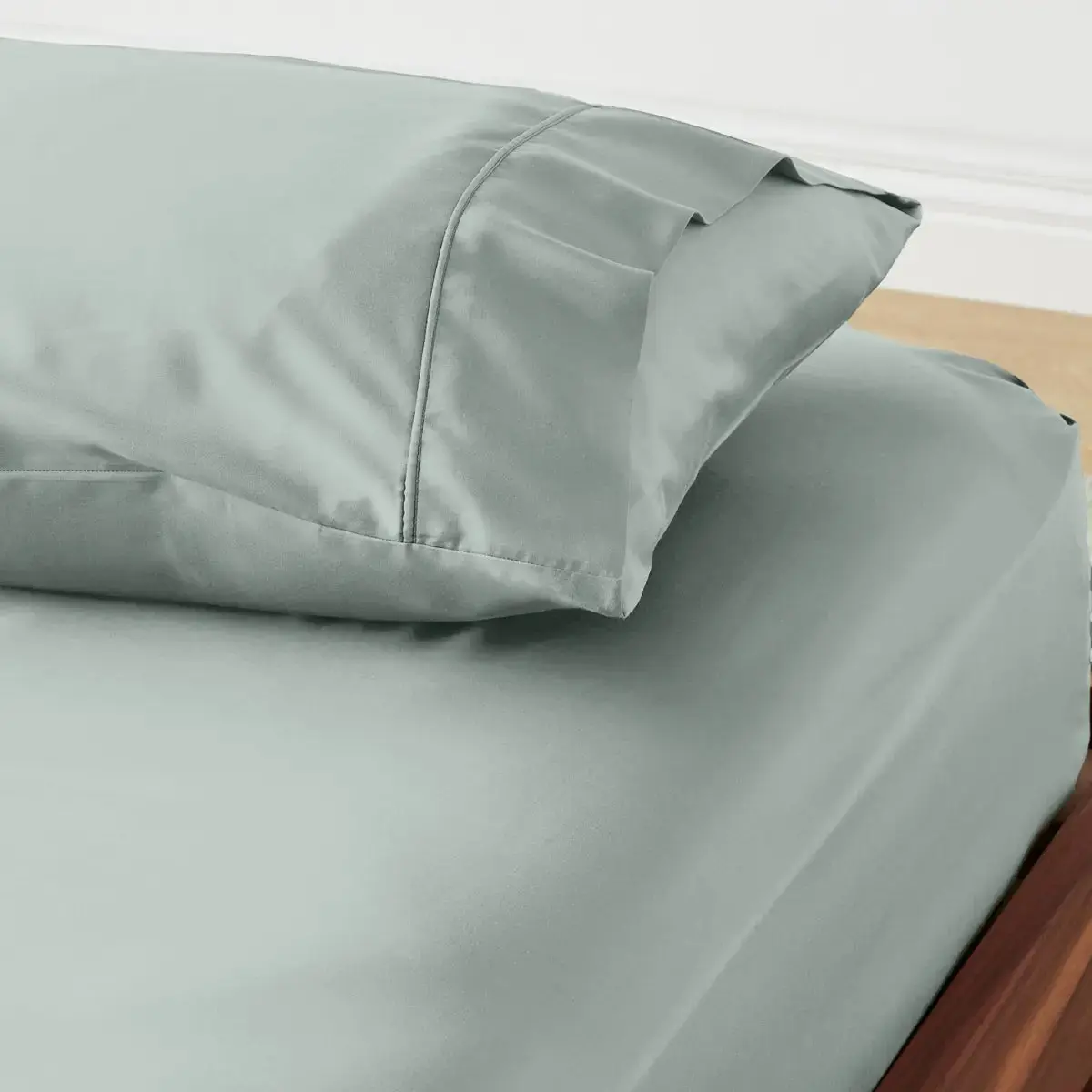
- Optimiser votre environnement de sommeil : Créez une chambre fraîche (15 à 19 °C), sombre et silencieuse. Utilisez une literie respirante et anti-humidité (comme le CleanBamboo®) pour maintenir une température corporelle stable, car la surchauffe perturbe le sommeil profond et le sommeil paradoxal.
Une nuit de sommeil complète est une question de qualité de ces heures. Et au cœur d'un sommeil véritablement réparateur se trouve le sommeil paradoxal (Rapid Eye Movement). Au cours de cette étape critique, votre corps se répare, votre cerveau traite les souvenirs, et votre humeur et vos fonctions cognitives se réinitialisent pour la journée à venir. Pourtant, beaucoup d'entre nous écourtent inconsciemment cette phase vitale, nous laissant grognons, déconcentrés et à bout de forces, quelle que soit la durée de notre sommeil.
Chez ettitude, nous abordons le sommeil comme un rituel scientifiquement prouvé où des habitudes de vie réfléchies et un environnement de sommeil optimisé travaillent ensemble pour favoriser un repos plus profond et plus réparateur. Nos innovations, comme la literie fabriquée à partir de CleanBamboo®, sont conçues pour réguler la température, soutenir la santé de la peau et créer les conditions idéales pour des cycles de sommeil ininterrompus.
Dans cet article, nous allons détailler ce qu'est le sommeil paradoxal, pourquoi il est important pour votre bien-être mental et physique, et les changements pratiques que vous pouvez apporter dès ce soir pour l'augmenter, depuis l'ajustement de vos habitudes de coucher jusqu'à la réévaluation des matériaux sur lesquels vous dormez. Si vous êtes prêt à vous réveiller plus énergisé, concentré et équilibré, cela commence par débloquer le pouvoir du sommeil paradoxal.
Qu'est-ce que le sommeil paradoxal et pourquoi est-il important ?
Le sommeil paradoxal est souvent appelé sommeil paradoxal parce que, si les muscles de votre corps sont temporairement paralysés, votre activité cérébrale, votre fréquence cardiaque et votre fréquence respiratoire augmentent et ressemblent à un état d'éveil.
Caractéristiques clés du sommeil paradoxal :
- Mouvements oculaires rapides : Vos yeux bougent rapidement et aléatoirement derrière vos paupières.
- Rêves vifs : C'est la phase où se produisent la plupart de vos rêves mémorables, vifs et souvent émotionnels.
- Paralysie musculaire (atonie) : Vos muscles volontaires sont temporairement paralysés. Ce mécanisme de protection vous empêche de mettre physiquement en scène vos rêves.
- Activité physiologique élevée : Votre activité cérébrale augmente (similaire à l'éveil), et votre fréquence cardiaque et respiratoire deviennent plus rapides et plus irrégulières.
- Moment : La première période de sommeil paradoxal commence environ 90 minutes après l'endormissement. Les phases de sommeil paradoxal s'allongent progressivement tout au long de la nuit, les périodes les plus longues se produisant dans la seconde moitié de votre sommeil.
Pourquoi le sommeil paradoxal est-il important ?
Le sommeil paradoxal est vital pour un certain nombre de fonctions cognitives et émotionnelles, jouant un rôle important dans votre bien-être mental et émotionnel.
L'étape de « réinitialisation » du cerveau
Le sommeil paradoxal est le moment où votre cerveau effectue un travail considérable, consolidant les souvenirs, traitant les émotions et soutenant les fonctions cognitives comme la résolution de problèmes, la créativité et l'apprentissage. Il est également crucial pour la régulation émotionnelle, vous aidant à gérer le stress et à réduire l'anxiété.
Récupération physique et équilibre hormonal
Alors que le sommeil profond se concentre sur la réparation physique, le sommeil paradoxal est essentiel pour la régulation hormonale, y compris celles qui contrôlent l'appétit, l'humeur et les réponses au stress. Sans un sommeil paradoxal suffisant, la capacité de votre corps à gérer le cortisol (l'hormone du stress) et à soutenir une fonction métabolique saine peut être compromise.
Le fondement de la clarté mentale et de l'humeur
Un sommeil paradoxal régulier a un impact direct sur la façon dont vous vous sentez et fonctionnez pendant la journée. Une privation chronique peut entraîner un brouillard cérébral, des pertes de mémoire, de l'irritabilité, des réponses immunitaires affaiblies et même un risque accru de troubles de l'humeur.

De combien de sommeil paradoxal avez-vous réellement besoin ?
Comprendre la quantité idéale de sommeil paradoxal (Rapid Eye Movement) est crucial pour un repos plus profond et plus réparateur. Bien que les besoins individuels varient, le sommeil paradoxal est essentiel pour la consolidation de la mémoire, la régulation de l'humeur, l'apprentissage et la restauration cellulaire.
Besoins moyens en sommeil paradoxal
Les adultes en bonne santé passent généralement 20 à 25 % de leur temps de sommeil total en sommeil paradoxal. Pour une personne dormant 7 à 9 heures par nuit, cela équivaut à environ 90 à 120 minutes de sommeil paradoxal.
Comment le sommeil paradoxal change avec l'âge
Les nourrissons peuvent passer jusqu'à 50 % de leur sommeil en sommeil paradoxal, mais cette proportion diminue fortement au cours des premières années de vie. À l'âge adulte, la proportion se stabilise, mais les personnes âgées peuvent connaître moins de sommeil paradoxal et des perturbations du sommeil plus fréquentes.
Signes que vous ne dormez pas suffisamment en phase paradoxale
Le sommeil paradoxal est le moment où votre cerveau effectue une grande partie de son travail le plus important, traitant les souvenirs, régulant les émotions et soutenant la santé cognitive. Ne pas atteindre cette étape cruciale ne vous fatigue pas seulement ; cela peut se répercuter sur presque toutes les parties de votre vie. Voici comment reconnaître si vous n'en obtenez pas assez :
Sensation de brouillard matinal persistante
Se réveiller régulièrement fatigué, malgré un nombre suffisant d'heures de sommeil, peut indiquer un manque de sommeil paradoxal.
Difficulté de concentration
Avoir du mal à se concentrer, à se souvenir des détails ou à penser de manière créative peut être dû à un sommeil paradoxal limité, qui favorise le traitement cérébral et la consolidation de la mémoire.
Sautes d'humeur ou irritabilité
Le sommeil paradoxal est étroitement lié à la régulation émotionnelle, de sorte que l'irritabilité inexpliquée ou les sautes d'humeur peuvent être un signe avant-coureur.
Envies accrues
Un manque de sommeil paradoxal de qualité peut perturber votre équilibre hormonal, entraînant des envies de sucre ou de glucides et une éventuelle fluctuation de poids.
Cauchemars fréquents ou rêves vifs
Ne pas obtenir suffisamment de sommeil paradoxal ininterrompu peut rendre les rêves que vous vous souvenez plus intenses, inhabituels ou chargés d'émotion.
Faible tolérance au stress
Une phase de sommeil paradoxal raccourcie peut vous rendre moins capable de gérer le stress quotidien, rendant même les petits revers plus difficiles à gérer.
Habitudes de vie pouvant augmenter le sommeil paradoxal
Atteindre un sommeil paradoxal plus profond et plus réparateur ne dépend pas seulement de la durée de votre séjour au lit ; vos choix quotidiens le façonnent. Voici les habitudes clés qui peuvent augmenter vos chances de passer plus de temps dans cette étape vitale du sommeil :
Maintenir un horaire de sommeil cohérent
Se coucher et se réveiller à la même heure tous les jours aide à réguler votre rythme circadien, garantissant que votre corps parcourt naturellement toutes les phases du sommeil, y compris le sommeil paradoxal.
Limiter les stimulants et l'alcool
La caféine, la nicotine et l'alcool peuvent tous réduire le sommeil paradoxal. La caféine et la nicotine sont des stimulants qui retardent le début du sommeil paradoxal, tandis que l'alcool peut raccourcir les cycles de sommeil paradoxal globaux et fragmenter le sommeil.
Créer un environnement de sommeil frais et confortable
Un ensemble de sommeil respirant et thermorégulateur minimise les sueurs nocturnes et la surchauffe qui peuvent vous sortir du sommeil paradoxal. Des tissus comme le CleanBamboo® d'ettitude sont idéaux, car ils évacuent l'humidité, gardent la peau fraîche et réduisent les irritants.
Prioriser la gestion du stress
Un stress élevé augmente le cortisol, ce qui perturbe les cycles de sommeil paradoxal. Intégrer des pratiques de pleine conscience, du yoga ou même de courtes promenades en soirée peut vous aider à vous détendre plus efficacement.
Faire de l'exercice régulièrement (mais pas trop tard)
L'activité physique quotidienne améliore la qualité du sommeil et augmente le temps passé en sommeil paradoxal. Cependant, un exercice intense peu avant le coucher peut avoir l'effet inverse en surexcitant votre corps.
Réduire le temps d'écran avant le coucher
L'exposition à la lumière bleue supprime la production de mélatonine, retardant le début du sommeil paradoxal. Visez au moins 1 heure sans écran avant de dormir, ou utilisez des filtres anti-lumière bleue si c'est inévitable.
Optimiser la nutrition et l'hydratation
Les repas lourds, l'excès de sucre ou les grignotages nocturnes peuvent perturber le sommeil paradoxal. Optez plutôt pour des repas légers et riches en nutriments le soir et restez hydraté tout au long de la journée (mais limitez les liquides juste avant le coucher).

Créer un horaire de sommeil cohérent
Un horaire de sommeil fiable est l'un des moyens les plus efficaces d'augmenter le sommeil paradoxal. Mettre votre corps et votre esprit en phase avec un rythme prévisible facilite l'accès aux phases profondes et réparatrices du cycle de sommeil.
Prioriser la régularité du coucher
Efforcez-vous de vous coucher et de vous lever à la même heure chaque jour, même le week-end. Cela entraîne votre horloge interne, améliorant à la fois la qualité du sommeil et la durée du sommeil paradoxal.
Établir une routine de détente avant le coucher
Adoptez des rituels apaisants et sans écran avant le coucher, tels que des étirements légers, de la méditation ou de la lecture, pour signaler à votre corps qu'il est temps de se reposer.
Exploiter l'exposition à la lumière naturelle
Exposez-vous au soleil le matin et limitez la lumière artificielle après le coucher du soleil. Cela aide à réguler votre rythme circadien, ce qui facilite l'endormissement et le réveil naturels.
Éviter les changements radicaux d'horaire
Minimisez les nuits tardives et les changements drastiques dans vos heures de sommeil ou de réveil. Des habitudes de sommeil incohérentes peuvent perturber le sommeil paradoxal et vous laisser grognon, même après une nuit complète au lit.
Comment créer une chambre qui favorise le sommeil paradoxal
L'espace dans lequel vous dormez affecte profondément la quantité de sommeil paradoxal que vous obtenez. De la température et de l'éclairage à la literie et à la qualité de l'air, chaque détail influence la profondeur et l'efficacité de votre corps à travers ses étapes de sommeil les plus réparatrices. Voici comment optimiser votre chambre pour un repos riche en sommeil paradoxal :
Maintenir une température fraîche et constante
Le sommeil paradoxal prospère dans un environnement légèrement frais, généralement entre 15 °C et 19 °C (60 °F et 67 °F). La surchauffe peut perturber les cycles de sommeil et vous sortir du sommeil paradoxal prématurément. L'utilisation d'une literie respirante comme les draps CleanBamboo® d'ettitude aide à réguler naturellement la température, évacuant l'humidité et prévenant les points chauds.
Prioriser l'obscurité et le contrôle de la lumière
L'exposition à la lumière, même celle des lampadaires ou des appareils, peut interférer avec votre rythme circadien et retarder le début du sommeil paradoxal. Des rideaux occultants, des lampes à intensité variable et l'évitement des écrans une heure avant le coucher favorisent tous la production naturelle de mélatonine et des cycles de sommeil plus profonds.
Éliminer le bruit et les distractions
Les perturbations sonores peuvent raccourcir les phases de sommeil paradoxal. Envisagez des machines à bruit blanc, des bouchons d'oreille ou des sons de fond doux pour créer un environnement sonore stable. Même un bruit ambiant subtil (comme le bourdonnement du CVC ou les bruits de la ville) peut fragmenter le sommeil paradoxal s'il n'est pas contrôlé.
Choisir les bons matériaux de literie
Une literie respirante et hypoallergénique est essentielle pour un sommeil paradoxal ininterrompu. Des tissus comme le CleanBamboo® régulent non seulement la température et réduisent les allergènes et les frottements, mais maintiennent également votre corps détendu et votre peau sans irritation. Une couette rafraîchissante ou une housse de couette qui évacue l'humidité peut soutenir une température corporelle constante tout au long de la nuit.
Optimiser la qualité de l'air et l'humidité
Une mauvaise circulation de l'air ou une faible humidité peuvent affecter la respiration et perturber les stades du sommeil. Pour créer un environnement de sommeil idéal, utilisez un purificateur d'air, gardez les fenêtres légèrement ouvertes pour la ventilation et maintenez l'humidité entre 40 % et 50 %.
Simplifier et désencombrer votre espace
Une pièce encombrée augmente la charge cognitive, ce qui rend plus difficile pour votre corps de se détendre complètement. Une chambre minimaliste et bien organisée favorise le calme et prépare votre esprit à un sommeil plus profond et plus réparateur, y compris des cycles de sommeil paradoxal plus longs.
Ajouter des éléments apaisants
L'aromathérapie (comme l'huile essentielle de lavande), un éclairage doux et des matériaux naturels peuvent réduire les hormones de stress avant le coucher. Des niveaux de cortisol plus faibles facilitent la transition vers le sommeil paradoxal et le maintien de cette phase plus longtemps.
L'impact de la literie sur la qualité du sommeil et la durée du sommeil paradoxal
La literie n'est pas seulement un détail secondaire dans votre routine de sommeil ; elle joue un rôle essentiel dans la profondeur et la qualité de votre repos, en particulier pendant le sommeil paradoxal. Les matériaux, le tissage et même la respirabilité de vos draps et de votre couette influencent directement la température corporelle, les niveaux de confort et les conditions physiologiques qui favorisent des cycles de sommeil paradoxal plus longs et de meilleure qualité.
Régulation de la température et continuité du sommeil paradoxal
L'un des facteurs les plus critiques pour un sommeil paradoxal ininterrompu est la température corporelle. Si votre literie retient la chaleur, votre température centrale peut augmenter, provoquant des micro-réveils qui vous sortent des phases de sommeil plus profondes. Les tissus thermorégulateurs comme le CleanBamboo® d'ettitude évacuent naturellement l'humidité et libèrent la chaleur, créant l'environnement thermique stable dont votre corps a besoin pour rester plus longtemps en sommeil paradoxal.
Respirabilité et gestion de l'humidité
L'excès d'humidité perturbe le cycle de sommeil, obligeant votre corps à travailler plus fort pour rester au frais, raccourcissant souvent la durée du sommeil paradoxal. La literie fabriquée à partir de fibres respirantes et qui évacuent l'humidité permet une circulation d'air et une évaporation continues, évitant cette sensation moite et agitée qui interfère avec le sommeil profond.
Sensibilité cutanée et réduction des allergènes
Les réactions allergiques, les irritations cutanées ou les acariens microscopiques peuvent provoquer de subtiles perturbations tout au long de la nuit, réduisant la quantité totale de sommeil paradoxal que vous obtenez. Une literie hypoallergénique et sans produits chimiques, comme les draps fabriqués en lyocell CleanBamboo®, minimise ces déclencheurs, ce qui permet à votre cycle de sommeil de se dérouler sans accroc et sans interruption.
Soulagement de la pression et confort sensoriel
La douceur et le confort tactile influencent également la qualité du sommeil paradoxal. Si votre literie est rugueuse, lourde ou rigide, votre corps reste dans un état de vigilance accru, retardant ou perturbant les phases de sommeil plus profondes. Des matériaux doux et soyeux créent un environnement sensoriel apaisant qui aide votre corps à passer au sommeil paradoxal et à y rester.
Signaux psychologiques et début du sommeil
Votre environnement de sommeil envoie des signaux puissants à votre cerveau concernant la préparation au repos. Une literie luxueuse et de bonne qualité favorise un sentiment de confort et de sécurité, des conditions qui aident votre corps à s'endormir plus rapidement. Une latence de sommeil plus courte signifie plus de temps passé dans les phases réparatrices, y compris le sommeil paradoxal.

Dernières réflexions
Atteindre un sommeil paradoxal plus profond et plus réparateur ne consiste pas à chercher des solutions rapides ; il s'agit de construire un mode de vie et un environnement qui soutiennent les rythmes naturels de votre corps. En privilégiant des habitudes de sommeil cohérentes, en gérant le stress et en créant un espace frais et confortable avec une literie respirante et régulant la température comme le CleanBamboo® d'ettitude, vous pouvez débloquer des cycles de sommeil paradoxal plus longs et le spectre complet des bienfaits du sommeil. D'une meilleure concentration et d'une meilleure humeur à une meilleure mémoire et un meilleur équilibre hormonal, un sommeil paradoxal de qualité est la base de votre ressenti, de votre pensée et de vos performances au quotidien. Traitez votre repos nocturne comme un rituel qui mérite d'être optimisé ; vos matins vous remercieront.
À lire aussi :