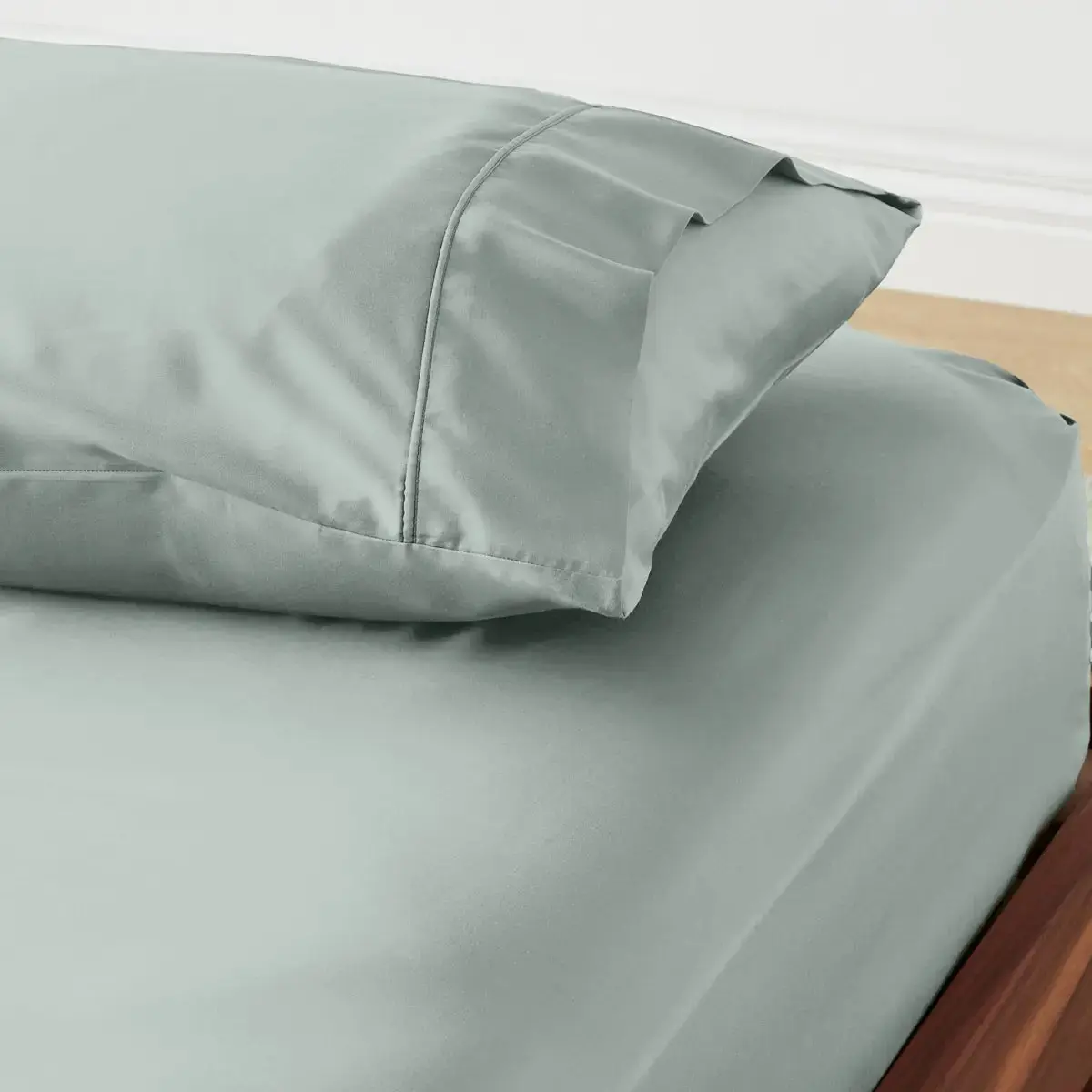


 Choosing the right bedding impacts sleep quality, comfort, and overall health. Unfortunately, many people rely on misleading information about thread count, mattress types, and care habits. These common bedding myths often lead to poor choices, making it harder to enjoy restful nights. Understanding the truth behind these myths empowers consumers to find bedding that enhances hygiene, durability, and personalized comfort.
Thread Count: Debunking the Quality Myth
One of the most prevalent misconceptions is that a higher thread count guarantees better sheets. Thread count counts the number of threads woven per square inch. Still, material quality and weave type are far more critical for comfort and longevity.
Many manufacturers increase thread counts by using double- or triple-ply threads. Instead of true quality, this results in heavier, less breathable fabric that traps heat and feels synthetic. Premium fabrics like bamboo lyocell offer natural softness and breathability that artificially inflated high-thread-count sheets cannot match.
Weaving styles, such as percale and sateen, significantly alter the feel and durability of the fabric. Percale has a crisp and cool texture, while sateen feels silky. When shopping, prioritize natural fibers and quality craftsmanship over the number printed on the tag.
Mattress Myths: Firmness, Material, and Support
There is a strong belief that firmer mattresses benefit people with back pain, but this is not universally accurate. Supportive, medium-firm mattresses that conform to the body’s natural curves relieve pressure points better than stiff, unyielding surfaces.
Different mattress types cater to different sleepers:
-
Memory foam contours closely to the body's shape but tends to hold onto heat, making it uncomfortable for hot sleepers.
-
Latex mattresses often provide better airflow and bounce.
-
Hybrid mattresses combine springs and foam, balancing support and softness.
Choosing a mattress should consider sleep position, body weight, and personal preferences rather than marketing claims. Sometimes, a mattress topper can improve comfort without replacing the entire mattress.
Bedding Hygiene: Washing Frequency and Practices
Contrary to the notion that bedding requires infrequent washing, hygiene experts recommend washing sheets and pillowcases every 1-2 weeks. This routine removes skin cells, sweat, allergens, and dust mites that regularly accumulate on the skin.
Washing bedding in cold or warm water with gentle detergent protects fibers and colors better than hot water, which can cause damage over time. Avoid fabric softeners, which may leave residues, reducing the breathability of linen. Instead, use alternatives like vinegar or dryer balls to maintain softness and longevity.
It is also advisable to wash duvet covers as often as sheets since they collect similar dirt and oils.
Myths About Bedding Weight and Warmth
Many consumers assume heavier duvets or comforters inherently provide more warmth. However, insulation depends primarily on the fill power and material quality, not weight. High-quality down with a high fill power traps heat efficiently while remaining lightweight and breathable.
Weighted blankets, often heavy, provide comfort through pressure but are not necessarily warmer. Overly heavy bedding may restrict movement and cause discomfort rather than improving sleep.
One-Size-Fits-All Bedding: Why Customization Matters
Bedding should cater to individual sleep styles and preferences. For example, side sleepers often need softer pillows to support the neck. In contrast, back sleepers benefit from firmer pillows and mattresses for spinal alignment.
Temperature regulation is another critical factor. Hot sleepers find cooling bamboo sheets or lightweight comforters more comfortable, while cold sleepers prefer flannel or thicker quilts.
The Downside of "Wrinkle-Free" Bedding
Many people seek out bedding with a "wrinkle-free" label, believing it represents effortless maintenance and a crisp, clean look. However, this convenience often comes at a cost to your health and the environment. Wrinkle-free sheets are typically treated with chemical resins, most often formaldehyde. While these chemicals keep the fabric smooth, they may also lead to skin irritation, respiratory difficulties, and other allergic reactions for sensitive individuals.
Natural fabrics like organic cotton and bamboo lyocell tend to wrinkle naturally. This is a sign of a pure, chemical-free product. Instead of prioritizing a perfectly smooth look, choose bedding made from quality, untreated materials that are safer for you and your family. Embracing the natural look of your bedding is a sign of a health-conscious choice.
Myth: More Pillows Mean Better Sleep
It is a widespread belief that crowding the bed with several pillows automatically enhances comfort and leads to better sleep. In reality, optimal pillow quantity is highly individual, and using too many pillows can clutter the bed, obstruct bedding, and cause poor alignment for the neck and spine. For most people, two pillows—one for sleeping and one for occasional support or decoration—suffice. The goal should be maintaining ergonomic head and neck alignment rather than piling pillows for aesthetics.
Sleeping with no pillow at all is not ideal for most back and side sleepers, who benefit from neck support. Pillow selection should prioritize individual sleep style, personal comfort, and health over visual abundance.
Experience True Comfort with ettitude

Choosing high-quality, well-designed bedding is the best investment for enhanced comfort, hygiene, and sleep quality. Visit www.ettitude.com for a curated collection of pillowcases, comforters, and protectors crafted for breathability, softness, and sustainability.