

Microplastics from synthetic fabrics are more than just an environmental issue—they directly affect our health. When we wear clothing made from polyester, nylon, acrylic, and other synthetic fibers, tiny fragments shed from the fabric with every wash and wear. These microplastics can cling to our skin and, more alarmingly, facilitate the absorption of toxic chemicals through our largest organ: the skin. Recent research has shown that harmful additives commonly used in textiles, such as flame retardants, dyes, and plasticizers, do not remain locked in the fibers. Instead, they can leach out of these microplastics, penetrate the skin barrier, and make their way into the bloodstream. Once inside the body, these chemicals may act as endocrine disruptors, interfere with hormones, and accumulate over time—posing long-term risks to human health.
But clothing is only part of the picture. Synthetic textiles are woven into nearly every corner of our homes and workplaces (our bedding, towels, carpets, curtains, and upholstered furniture all release microscopic fibers with regular use). Each time we sit on a sofa, pull a blanket over us, or dry off with a towel, we may be exposed to a fresh wave of microplastics and the chemicals they carry. Because these items come into prolonged, intimate contact with our skin, the risk of chemical transfer is even greater.
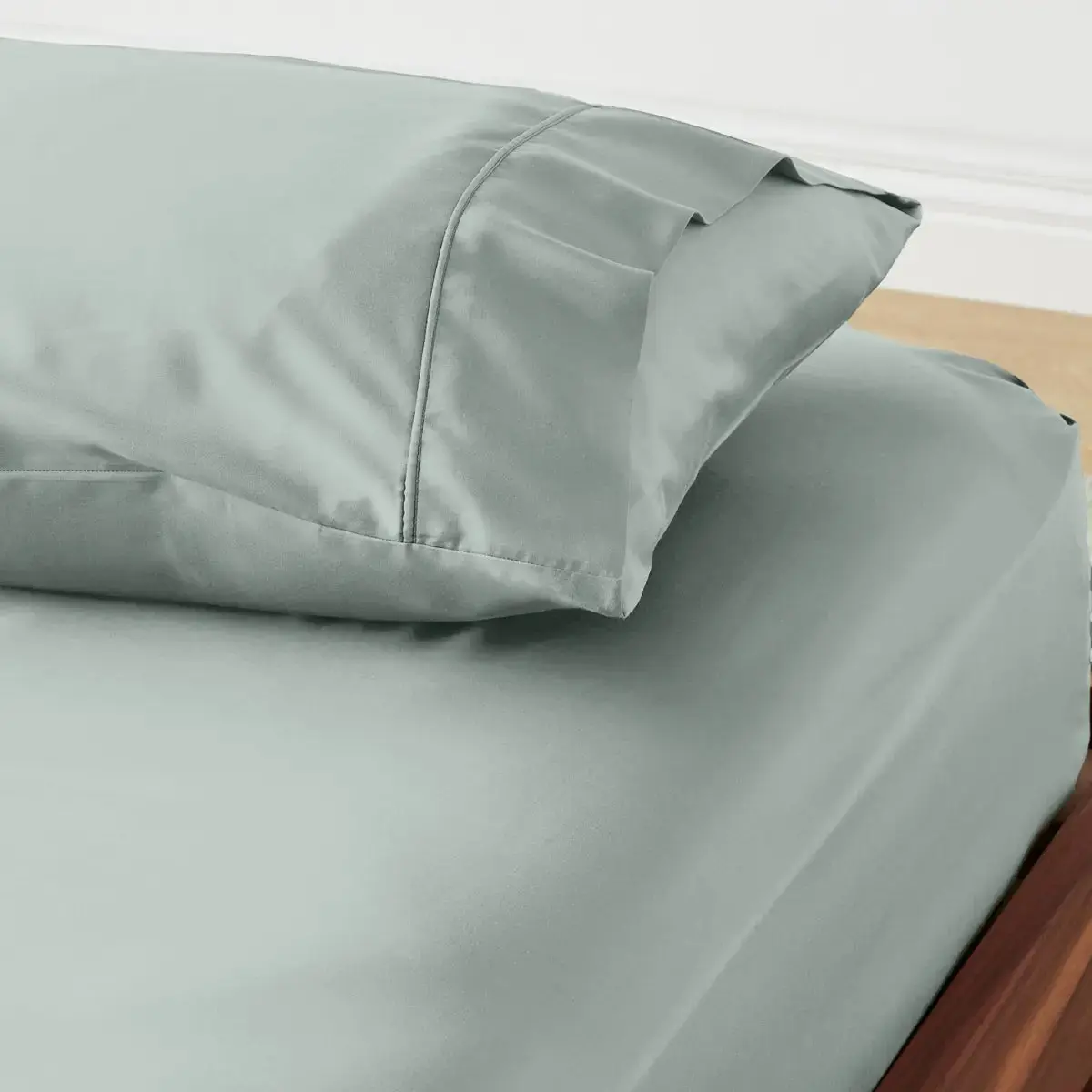
Bedding, in particular, poses unique concerns. We spend a third of our lives sleeping, giving our bodies hours of uninterrupted contact with synthetic fibers every night. Over time, this continuous, low-level exposure compounds, raising questions about the cumulative impact of these invisible particles on human health
Skin Absorption: Scientific Findings
Research reveals that not all microplastics penetrate intact skin due to a robust barrier called the stratum corneum; however, nanoplastics (particles smaller than 100 nm) can pass through or accumulate in deeper skin layers, particularly around hair follicles or when the skin's protective barrier is weakened due to wounds or inflammation. Synthetic clothing and personal care products often contribute to this direct contact.
In addition, emerging evidence suggests that microplastics can enter the body through natural openings, such as sweat glands and hair follicles, particularly under conditions of sweat, heat, and prolonged friction commonly associated with synthetic activewear. This combined effect means that while intact skin generally limits penetration, daily wear of synthetic fabrics creates real exposure routes for these particles and the chemicals they carry. This exposure is particularly concerning for individuals with sensitive or damaged skin, as it amplifies the risk.
Toxic Chemicals: A Hidden Risk
The health concern often centers on chemical additives in microplastics, such as flame retardants, phthalates, and bisphenol A (BPA), which are recognized endocrine disruptors. Recent experimental studies using human skin models have shown that up to 8% of chemicals, such as polybrominated diphenyl ethers (PBDEs), can be absorbed from microplastics through sweat-moistened skin. Continuous exposure allows these chemicals to accumulate in the body, potentially leading to long-term harm.
In fact, the chemical components bound to microplastics can leach out when in contact with the skin, particularly in perspiring conditions. These chemicals have been linked not only with hormonal disruption but also with skin irritation, allergies, and even oxidative stress-driven cell damage. This dual threat (plastic particles themselves and their chemical cargo) makes synthetic fabric microplastics a significant emerging health concern, particularly for individuals who frequently wear synthetic clothing or sleep in synthetic bedding.
Factors Affecting Skin Absorption
-
Particle Size: Smaller particles, especially nanoplastics, have greater potential to penetrate skin barriers.
-
Skin Condition: Sweaty, damaged, or inflamed skin heightens absorption risk.
-
Chemical Additives: Flame retardants and plasticizers are particularly prone to skin absorption.
-
Duration and Frequency: Repeated or prolonged contact, such as daily wear of synthetic fabrics or sleeping in synthetic bedding, increases the risk of chemical build-up in tissues.
This risk is higher in individuals with sensitive skin conditions, such as eczema or dermatitis, who report higher incidences of irritation and rashes when wearing synthetic fabrics. The trapped heat and moisture from synthetic textiles also promote environments conducive to bacterial imbalance and infections, especially in intimate areas. Understanding these factors is crucial to mitigating exposure by making informed choices in fabric and garment care routines.
Health Effects: Current Evidence
-
Skin Inflammation: Exposure to microplastics and their additives may trigger inflammatory responses, disrupt the skin’s natural balance, and stimulate immune reactions.
-
Hormonal Disruption: Chemicals such as phthalates and BPA from synthetic textiles can interfere with hormone signaling, potentially impacting reproductive health.
-
Systemic Risks: Microplastics have been detected in blood, placenta, brains, and internal organs; chronic exposure may contribute to oxidative stress, metabolic disorders, and developmental abnormalities.
Furthermore, long-term exposure to microplastics from synthetic clothing is associated with oxidative stress and cellular aging, which may contribute to a spectrum of chronic diseases, including inflammatory disorders and neurodegeneration. The ubiquitous presence of microplastics in human tissues underscores the urgent need for more comprehensive research and preventive strategies to mitigate exposure. Recent findings of microplastics in fetal tissue especially raise concerns about developmental risks and the potential intergenerational effects of these contaminants.
Reducing Exposure: Solutions for Everyday Life
Switching to fabrics made with natural, organic fibers that have low or no chemical treatments (such as those made with CleanBamboo® Lyocell) significantly limits microplastic shedding and subsequent skin exposure to harmful chemicals. Look for certifications such as OEKO-Tex Standard 100, indicating that the fabrics are free from harmful chemicals.
Beyond fabric choices, adopting gentle laundry practices (such as using cool water, slower spin cycles, gentle detergents, and air drying) reduces microfiber shedding. Using microfiber-catching laundry bags or filters provides some alleviation, but is no substitute for choosing natural fibers.
Gradually replacing skin-close synthetic and non-organic bedding and garments, such as underwear and activewear, with natural, organic fiber options offers a practical path to reduce daily microplastic and chemical exposure.
Healthier Choices for a Safer Future

Concerned about microplastics from synthetic fabrics and their ability to trigger toxic skin absorption? Make the switch to CleanBamboo® sheets, protectors, bath towels and bathrobes at ettitude: a brand committed to reducing microplastic pollution, promoting eco-friendly manufacturing, and safeguarding skin health.
CleanBamboo® is a lyocell derived from certified organic bamboo, using non-toxic food-grade solvents, and low-impact, sustainable reactive dyes. It is certified OEKO-TEX Class I baby-safe.